Understanding How Play Therapy is Neuro-Affirming: Supporting the Brain’s Natural Growth and Healing
In recent years, awareness around neurodiversity has grown, along with the understanding that therapeutic spaces must be inclusive, affirming, and supportive of children with diverse neurological profiles. Among the therapeutic approaches gaining recognition, play therapy stands out for its unique ability to support children’s emotional, cognitive, and social development—aligning with the brain’s natural processes for growth and healing.
What is Play Therapy?
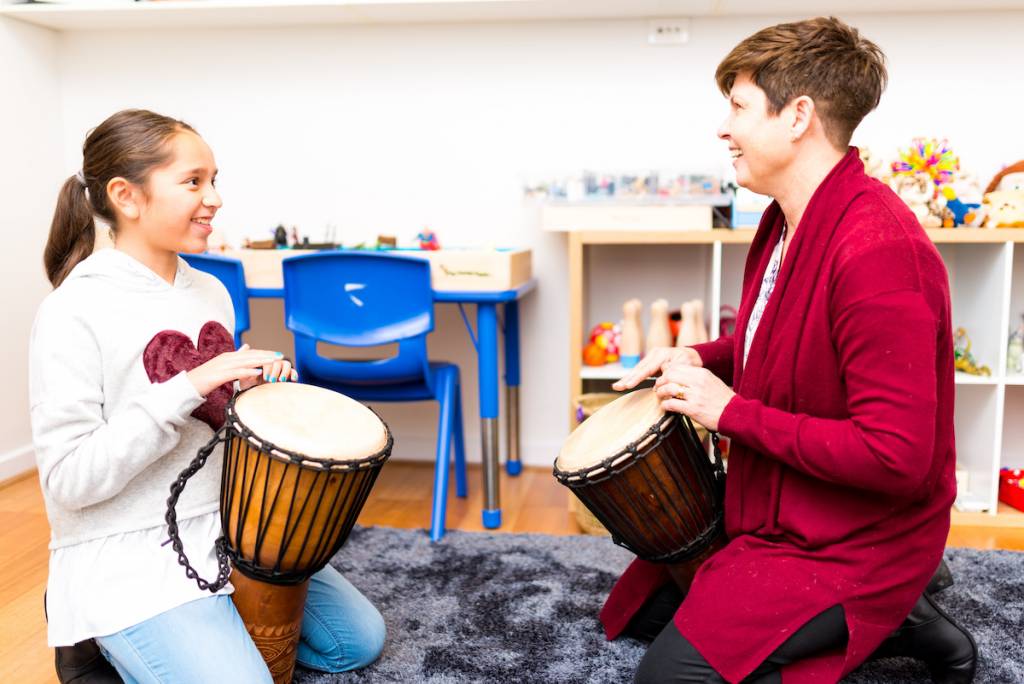
Play therapy is a therapeutic approach primarily used with children, though it can be adapted for individuals across the lifespan. It provides a safe, developmentally appropriate space where children can express themselves, process emotions, and work through challenges—using play as their primary language. This may include drawing, role-playing, storytelling, sand play, and more. Play therapy harnesses a child’s natural way of making sense of the world, allowing for emotional expression and integration through play.
The Neurodiversity Paradigm: A Neuro-Affirming Approach
Before we explore how play therapy supports the brain, it’s important to understand the concept of “neuro-affirming.” A neuro-affirming approach acknowledges and respects the diversity of brain function and processing styles. Rather than attempting to “fix” or “normalise” neurological differences, it supports the brain’s unique wiring and values each individual’s way of experiencing the world.
For neurodivergent individuals—such as those with ADHD, autism, dyslexia, or other neurological conditions—neuro-affirming approaches can be empowering and healing. When practiced intentionally, play therapy provides an environment where neurodivergent children can thrive, free from the pressure to conform to neurotypical expectations.
How Play Therapy is Neuro-Affirming
Non-Verbal Communication and Expression
Many neurodivergent children, particularly those on the autism spectrum, may find verbal communication challenging or stressful. Play therapy offers an avenue for self-expression that doesn’t rely on spoken language. Through the use of toys, art materials, role play, and symbolic expression, children are able to process and communicate their inner experiences in ways that feel safe and accessible.
This non-verbal mode of communication honours the child’s neurological needs and reduces pressure to communicate in prescribed, verbal ways. It also removes expectations around eye contact, tone, and verbal fluency—offering freedom to express emotions in ways that align with the child’s natural preferences.
Emotional Regulation Through Safe Play
Play therapy provides a low-stress, structured space where children can explore emotions, fears, and challenges without becoming overwhelmed. For neurodivergent children—particularly those with ADHD, autism, or sensory processing differences—emotional regulation can be an ongoing challenge. Play becomes a safe rehearsal ground where children can role-play different scenarios, experiment with problem-solving, and explore emotional expression at their own pace.
Importantly, the therapist does not impose behavioural expectations. Instead, the child is gently supported in understanding and regulating their emotions within the context of their play, allowing their nervous system to gradually develop its own regulation strategies in a way that feels empowering and safe.
Encouraging Social Interaction in a Low-Pressure Setting
For children with social communication difficulties or social anxiety, typical peer interactions can feel confusing or overwhelming. Play therapy provides a relational, low-pressure setting where social skills can be explored and practised through therapeutic play. The therapist models appropriate behaviours, gently co-regulates with the child, and creates opportunities for connection that feel manageable and affirming.
Rather than focusing on performance or correction, play therapy validates the child’s social instincts and creates opportunities for authentic engagement, reducing the stress often associated with conventional social skills training.
In Summary
Play therapy is deeply neuro-affirming because it aligns with the way children—particularly neurodivergent children—naturally process information, communicate, and regulate emotions. It offers a developmentally appropriate space where children are accepted as they are, supported to explore their inner worlds, and encouraged to grow at their own pace.
By embracing non-verbal communication, supporting emotional regulation through play, and facilitating low-pressure social engagement, play therapy empowers children to build on their strengths and navigate challenges with confidence. In doing so, it becomes a powerful tool for healing—not by changing who a child is, but by helping them discover the tools they already have within.
References
Bratton, S. C., Ray, D. C., & Rhine, T. A. (2005). The Efficacy of Play Therapy with Children: A Meta-Analytic Review. International Journal of Play Therapy, 14(2), 73–87.
Landreth, G. L. (2012). Play Therapy: The Art of the Relationship(3rd ed.).
Cohen, J. A., & Kaufmann, G. (2000). The Power of Play: A Research Summary on Play Therapy.
Gil, E. (2017) Play in Family Therapy (2nd ed.).
Frea, W. D., & DiCarlo, C. (2014). Social Skills Training for Children with Autism: Evidence-Based Practices.
O’Neill, T. R., & Thomas, T. (2020). Neurodiversity and Play Therapy: Empowering Children with Autism Spectrum Disorder.
Perry, B. D., & Szalavitz, M. (2006). The Boy Who Was Raised as a Dog.
Miller, E. (2013). The Play Therapy Primer: An Introduction to the Study of Play Therapy.
Schottelkorb, A. A., & McCollum, J. A. (2014). Play Therapy and Neurodiversity: Fostering Brain-Based Healing Through Play.
American Psychological Association. (2022). Neurodiversity in the Classroom: Creating Inclusive Learning Environments.