Preparing Your Child for Play Therapy: A Guide for Parents and Caregivers
Play therapy is a wonderful tool that helps children process emotions, develop social skills, and navigate challenges in a safe, supportive environment. If you’re considering play therapy for your child, you might be wondering how to best prepare them for this new experience. While every child is different, there are several strategies you can use to help your child feel comfortable and ready for their sessions.
1. Explain What Play Therapy Is in Simple Terms
One of the most important steps in preparing your child for play therapy is to explain what it is. Children often have misconceptions about therapy—they may feel scared or believe they’ve done something wrong. Keep your explanation simple, positive, and age-appropriate.
For younger children, you might say:
“Play therapy is a special kind of playtime with someone who helps kids talk about their feelings and solve problems using toys, games, and art.”
For older children, you can offer a more detailed explanation:
“In play therapy, you’ll have the chance to play and talk with someone who will help you figure out how to handle tough feelings and situations. You can use toys, art, or even games to help talk about things you might not be able to say with words.”
The key is to frame play therapy as something fun and helpful—not something to be afraid of.
2. Normalise the Process
Let your child know that it’s okay to feel nervous or unsure about going to therapy. Reassure them that therapy is a normal and positive thing, and many children see a therapist for all sorts of reasons.
You might say:
“Just like you might see a doctor when you’re sick or a coach to learn a new sport, seeing a play therapist is like getting help for your feelings.”
Also remind them that, like any new activity, it can take a few sessions to feel comfortable—and that’s completely okay.
Consider introducing supportive children’s books to help guide your conversations. Ash Goes to Play Therapy by Natalie McKenzie is a great resource. About the Author | Ash Goes to Play Therapy
3. Get Familiar with the Therapy Space and Therapist (If Possible)
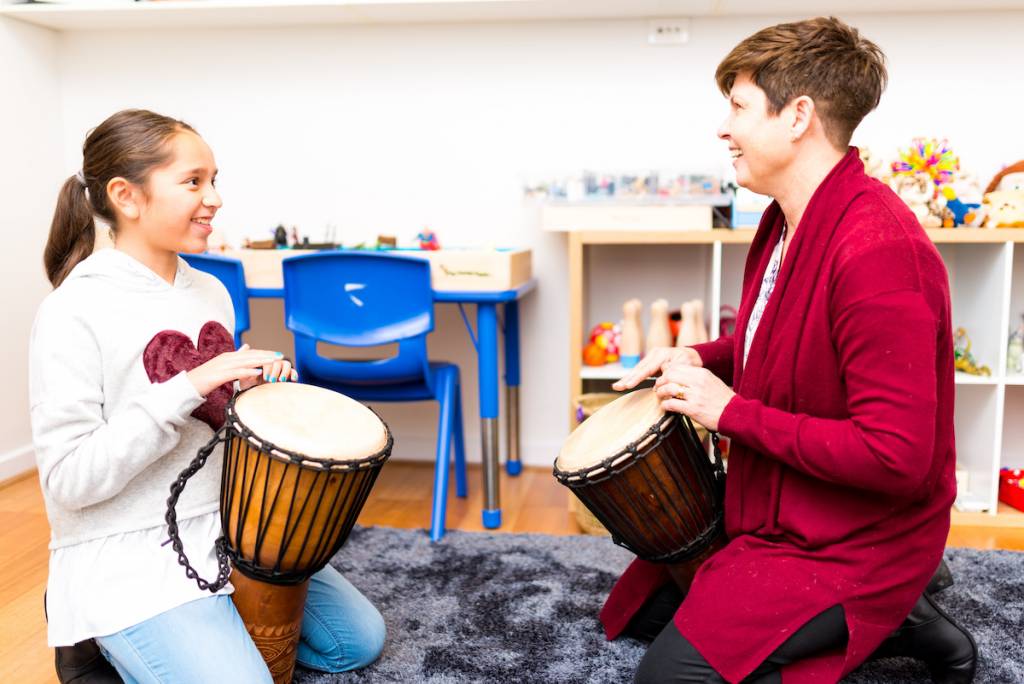
If the therapist’s office is nearby and it’s feasible, consider visiting the space before the first session. If a visit isn’t possible, ask the therapist if they can share photos of the room or describe it in detail to help your child visualise it.
At Core Kids Therapy, we provide photos of our clinic rooms and clinicians on our website, and we encourage kids and families to explore these together before the first visit.
4. Encourage Open Communication
Create a safe space at home where your child can express any concerns or questions about therapy. Some children may feel nervous or confused about what therapy is and why they’re going. It’s important to listen carefully and validate their feelings.
You might say:
“I understand that you’re nervous. It’s normal to feel that way when trying something new. But remember, you can talk to the therapist about anything, and it’s all okay.”
If your child has previously attended therapy, ask them about their experience—what they liked or didn’t enjoy. This feedback can help you and the therapist tailor the experience to be more comfortable for them.
5. Keep a Positive, Open Mind
Be mindful of how you talk about therapy at home. Children are highly attuned to adult emotions—if you appear anxious or uncertain, they might pick up on that.
Keep your tone and conversations positive and open. Remind your child that therapy is a place where they can feel safe, supported, and understood.
You can also model help-seeking behaviour by sharing your own experiences:
“Sometimes, when I have a hard time, I talk to someone who helps me figure it out. We all need help sometimes, and it’s okay to ask for it.”
This helps normalise seeking support and builds a positive framework around the idea of therapy.
6. Set Expectations for the First Session
Help your child know what to expect by explaining that the therapist will guide the play but that they can choose how they want to engage.
You might say:
“During your first visit, the therapist will talk to you and show you some toys or activities. You can play however you like—there’s no wrong way to do it. If you feel unsure, the therapist will help you find what feels right.”
Some children may worry about being judged or feeling pressure to behave a certain way. Reassure them that therapy is a judgement-free space where they can be themselves.
7. Be Patient with the Process
Therapy is a journey, not a quick fix. It may take time for your child to feel comfortable or to open up. Progress may be slow at first, but your child is gradually building emotional tools that will support their long-term growth and wellbeing.
8. Stay Involved and Supportive
Therapists often involve parents or caregivers in the process—whether through regular updates or suggestions for activities to try at home. Be open to collaborating with the therapist to support your child’s progress. Share observations, feedback, or concerns that might help shape the therapeutic approach.
Conclusion: Preparing for Play Therapy with Love and Support
Preparing your child for play therapy doesn’t need to be complicated—it’s about reassuring them that therapy is a safe, helpful experience. By explaining the process in simple terms, normalising it, and creating an open dialogue, you’ll help your child feel more confident and ready to engage.
The key is to keep things light, positive, and supportive. With your encouragement, your child will be better equipped to embrace therapy as a nurturing space for growth and healing.
References
Landreth, G. L. (2012). Play Therapy: The Art of the Relationship (3rd ed.).
Bratton, S. C., Ray, D. C., & Rhine, T. A. (2005). The efficacy of play therapy with children: A meta-analytic review. International Journal of Play Therapy, 14(2), 73–87.
Gil, E. (2017). Play in Family Therapy (2nd ed.).
Cohen, J. A., & Kaufmann, G. (2000). The Power of Play: A Research Summary on Play Therapy.
Schaefer, C. E., & O’Connor, K. J. (2003). Play Therapy with Children and Adolescents.
O’Neill, T. R., & Thomas, T. (2020). Preparing Children for Therapy: The Role of Parents in Play Therapy.
American Psychological Association (APA). (2021). Helping Children Cope with the Stress of Therapy.
Association for Play Therapy (APT). (2022). How to Prepare Your Child for Play Therapy.