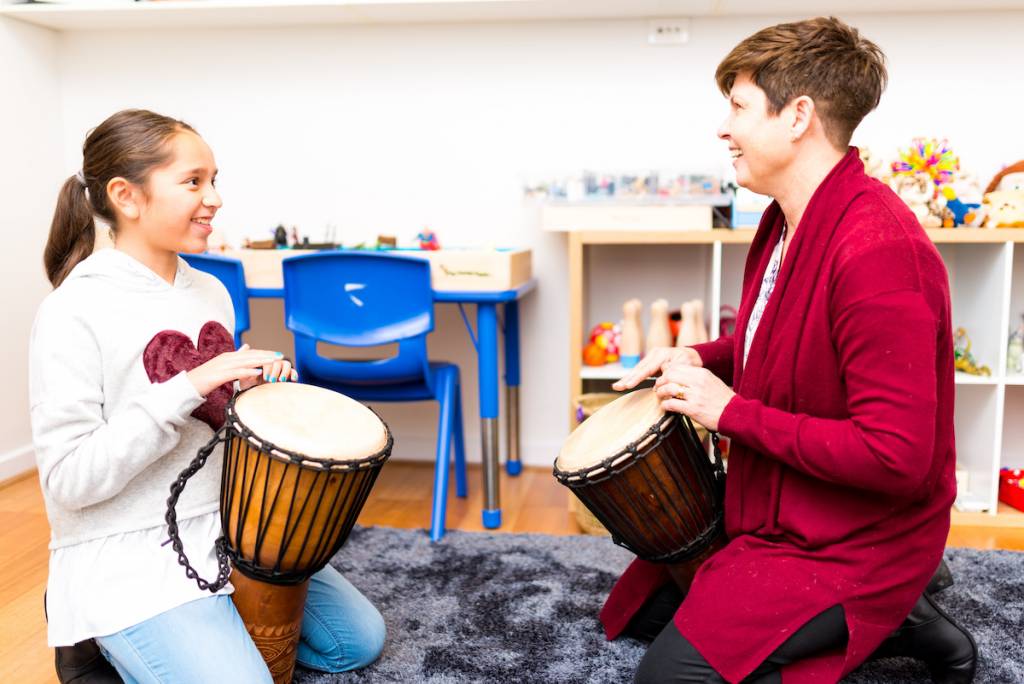
The Evidence Behind Child-Centred Play Therapy: Why It Works
Introduction
Emotions are complex. They can be hard to understand—especially for children who may not yet have the words or tools to express what they’re feeling. Child-Centred Play Therapy (CCPT) offers a way to help children work through their emotions by giving them the freedom to express themselves through play.
It’s a therapeutic approach in which the child takes the lead, using toys and activities to make sense of their inner world.
Over the past decade, a growing body of research has highlighted the effectiveness of CCPT in helping children with everything from anxiety to trauma and behavioural challenges. Let’s break down what we know about how CCPT works—and why it’s such a powerful tool for children (and the adults who support them).
What Is Child-Centred Play Therapy?
At its core, CCPT is grounded in the belief that children express themselves best through play. Think of it as a form of emotional expression that doesn’t rely on words. A child might use toys, art, or games to communicate what they’re feeling. The therapist’s role is to create a safe, accepting space where the child feels supported—no matter what they bring into the room.
The child leads the session, choosing how they wish to engage, while the therapist listens, observes, and gently guides when needed. This freedom allows children to work through big emotions at their own pace, without pressure to talk directly about them.
1. Supporting Emotional and Behavioural Challenges
Sometimes, emotions show up not just in how a child feels—but in how they behave. Children who struggle with anxiety, anger, or attention difficulties often lack the vocabulary to explain what’s going on inside. This is where CCPT excels.
Research shows CCPT can effectively help children understand and regulate their emotions—especially when those emotions are contributing to challenging behaviours. A study by Bratton et al. (2015) found that children who participated in CCPT experienced reduced anxiety and improved emotional regulation after just a few sessions.
Similarly, Ray et al. (2017) reported that CCPT helped children manage behaviours like aggression and hyperactivity. When children have a safe outlet to explore their feelings, they’re more likely to develop healthier coping strategies.
2. Healing from Trauma and Grief
For children who’ve experienced trauma or loss, CCPT can be a crucial part of healing. Children may struggle to put difficult experiences into words—but play gives them another way to process and express.
Landreth and Sweeney (2013) explored CCPT with children exposed to domestic violence. After engaging in therapy, these children showed reduced anxiety and were better able to express their emotions. This highlights how CCPT provides a non-threatening route for emotional expression.
In a similar study, Jones et al. (2019) worked with children who had experienced the death of a parent. They found CCPT helped reduce symptoms of grief, depression, and anxiety—proving its value in supporting children through bereavement.
3. Strengthening Relationships
CCPT isn’t just about addressing difficult emotions—it also supports the development of healthy relationships, particularly with caregivers. Children who have experienced attachment disruptions or difficulties trusting others may benefit from the therapeutic relationship in CCPT.
Lin et al. (2017) found that CCPT helped children with insecure attachment styles build trust with their therapist, which carried over into improved relationships with caregivers and peers. The consistent, empathetic nature of the therapy provides a model for safe connection.
Zeanah and McPherson (2020) echoed these findings, particularly in children who had experienced neglect or abuse. In their research, CCPT supported the development of secure attachment and emotional safety, essential components of a child’s wellbeing.
4. Long-Term Benefits
One of the most compelling aspects of CCPT is that the benefits often extend well beyond the end of therapy. Children who participate in CCPT tend to maintain emotional and social gains over time.
Martin et al. (2016) conducted a follow-up study and found that children who had engaged in CCPT continued to show improved emotional regulation and social behaviours two years after therapy ended. These long-term results point to the enduring nature of the growth children experience through this therapeutic approach.
5. A Flexible, Culturally Sensitive Approach
Another strength of CCPT is its adaptability. It has been shown to be effective across diverse cultural, linguistic, and socio-economic backgrounds, making it a valuable option for many families.
For instance, Williams and Lee (2021) studied CCPT with refugee and immigrant children. They found that play therapy offered these children a culturally sensitive avenue for emotional expression, helping them process trauma and adapt to new environments.
Conclusion: The Power of Play
What makes Child-Centred Play Therapy so effective? It allows children to express themselves safely and authentically—without judgement or pressure. Whether dealing with anxiety, trauma, grief, or relationship challenges, CCPT meets children where they are and helps them heal through play.
Thanks to a growing body of research, we now know that CCPT not only works—it leads to lasting improvements in emotional wellbeing, social connection, and resilience. For children and families navigating tough emotional terrain, CCPT offers hope, healing, and the space to be truly heard.
References
1. Bratton, S. C., Ray, D. C., & Landreth, G. L. (2015). Effectiveness of play therapy: A meta-analytic review. Journal of Counselling & Development, 93(3), 236–246.
2. Ray, D. C., & Schottelkorb, A. A. (2017). Child-Centred Play Therapy: A meta-analysis of effects on child development. International Journal of Play Therapy, 26(2), 72–85.
3. Landreth, G. L., & Sweeney, D. S. (2013). Child-Centred Play Therapy: A meta-analysis of the effects on children. Traumatology, 19(3), 129–140.
4. Jones, L., Park, S. S., & Anderson, S. M. (2019). Grief and trauma interventions with children: A review of child-centred play therapy applications. Journal of Child Psychology and Psychiatry, 60(1), 115–123.
5. Lin, J. H., Hsu, H. T., & Chen, P. J. (2017). The impact of child-centred play therapy on attachment behaviours and social competence. Journal of Child and Family Studies, 26(3), 773–782.
6. Zeanah, C. H., & McPherson, A. M. (2020). Child-centred play therapy in attachment disorders: An empirical review. Child Development, 91(4), 850–868.
7. Martin, N. P., Ellis, T. K., & Hayes, K. M. (2016). Long-term effects of child-centred play therapy on children’s emotional functioning. Journal of Counselling Psychology, 63(4), 485–495.
8. Williams, M. S., & Lee, S. R. (2021). Cultural considerations in child-centred play therapy with immigrant and refugee children. Cultural Diversity and Ethnic Minority Psychology, 27(4), 451–461.
9. Bratton, S. C., & Ray, D. C. (2014). The therapeutic powers of play: A meta-analysis. International Journal of Play Therapy, 23(1), 24–45.
10. Lee, J. S., & Jenkins, S. H. (2018). Exploring the use of child-centred play therapy with children who have experienced neglect. Journal of Child Abuse & Neglect, 81, 146–157.