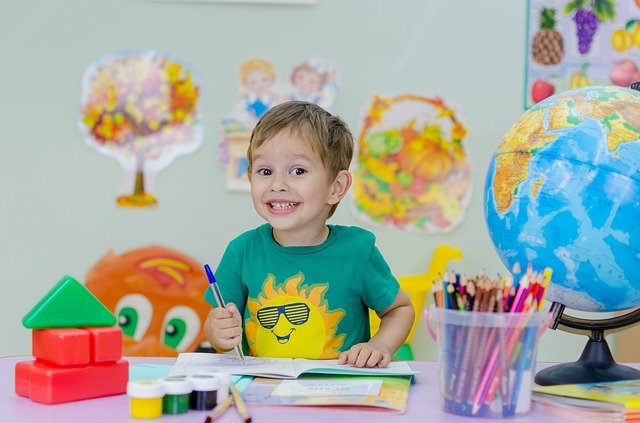
Planning your child’s successful Play-date.
My kids do not seem to be the kids that get invited to every birthday party or every weekend play-date, and may be missing out on opportunities.
Play-dates are fantastic opportunities for kids to explore and develop social skills in one-on-one or small group environments. Play-dates provide children with a chance to deepen friendships, practise sharing, turn-taking, communication and cooperation in a comfortable setting. They provide the support of being in a safe place, close to people who can support them while exploring and navigating the skills of relationships.
Play-dates also offer a bridge for the relationship between settings. For example, with summer holidays coming up (six weeks of kids not at school), play dates may be one of the best ways for kids to maintain friendships from their last year’s grade.
If you are nodding to this but not sure where to start, here are some tips we have put together to support you in supporting your child towards having successful play-dates:
1. Choose who to invite.
- Wonder with your child about who they might like to see or do something with. If they only mention friends who they have seen before, get curious and ask them about any new names you have heard them mention. Draw their attention to the different kids they know such as checking in over school relationships but also kids at extra-curricula activities they attend. (If they are not someone you have heard mentioned a lot, ask if they have played or chatted with them in the past month).
- For children who appear uncertain who to invite, consider asking school staff for suggestions of peers with compatible temperament and shared interests.
- It’s okay to foster new friendships and let your child invite kids you have not heard a lot about if you are comfortable with that. However, know that if the friendship is newer, they may need more support than if the friendship is more established. For a newer relationship, a parent may need to offer additional support and coaching at times.
2. Make the invitation ahead of time.
- Plan ahead of time! You may need to drop a written invitation for the parent with your number on it, especially if you do not know them. You may even need to send a second one if the first one never makes it out of that child’s bag.
- With your guidance, encourage your child (if they’re in middle/upper primary) to do the inviting.
- If they’re nervous, practise the script: For example
- “Hi, ___, this is ___… I’d like to invite you to my house on Saturday from 3–5 pm…” or
- “… I’d like to do something in the holidays with you. This has my mum’s number on it so our parents can find a day for us to do something….”
- Decide if the play-date will be at your home or an alternative location like a park or activity centre. Be clear about start and finish times, and pick-up arrangements.
- Check for any dietary requirements, as well as asking about technology and devices.
3. Prepare the environment.
- If at home, talk to your child about activities they might like to do while their friend is around. This will help give them a place to start.
- Put out of reach any toys your child is reluctant to share. This allows your child to feel safe about their “special” things, and more relaxed about sharing others.
- If siblings will be around, plan something for them (or invite a friend for them too) so they don’t unintentionally interrupt.
4. Talk about the host’s role.
- Explain to your child: “When a friend comes over to YOU, you’re the host. You help them feel welcome, you pick a game together, and you stay with them rather than disappearing off.”
- If your child needs some coaching, teach them to offer 2 options when asking their friend what they would like to do next: Do you want to build a fort or make a snack together?” This helps avoid the “What do you want to do? I don’t know…” moment.
- Let your child know you will give them some prompts when the play-date is coming to an end. This might be letting them both have a five-minute warning that the time is almost up.
5. Welcome the guest & jump-start play.
- Greet the friend together at the door. If you like, invite the other parent in for a short chat as it helps build trust between families.
- Start playing quickly via the two-choice offer you discussed.
- As the supportive and supervising parent, stay nearby, listen quietly, but let the children play mostly on their own.
6. Be present but non-intrusive.
- Watch for lulls, frustration, or one child drifting off. Instead of immediate criticism, you might offer: “How about a snack?” or “Want to go outside for a few minutes?”
- If you need to correct something with your child (e.g., sharing, behaviour), do so privately, away from the guest’s hearing.
- Gentle support helps your child learn social skills without feeling spotlighted.
7. End well.
- Aim for 1½–2 hours for older primary and 45-60 minutes for younger children.
- End on a high note: your child thanks the friend, perhaps hands over or waves goodbye.
- After the Play-date, chat with your child: “What did you enjoy? What would you do differently next time?”
- Celebrate small wins: “You asked your friend what they wanted to play—that was really kind.”
- Wait a few weeks (if possible) before the same friend comes over again—this gives space for the friend to invite your child too, which supports reciprocity.
Your role is simply to create a welcoming space, help your child feel like a good host, and gently guide from behind the scenes. You don’t need everything to be flawless. If your child shares a little, takes a turn, invites their friend into play—that alone is a win. The more casual and low-pressure this experience is, the more confident your child will feel next time.
You’ve got this—and you’re doing great by planning ahead.