Supporting Children Through Grief with Play Therapy: A Healing Path Forward
Introduction
Grief is one of those things that can feel too big to handle—especially for kids. Children don’t always have the words to express how they feel when they lose someone close to them. That’s where play therapy can make all the difference. It offers a unique, gentle approach that allows children to process their emotions in a way that feels natural to them—through play.
Whether it’s the loss of a loved one, a pet, or even the end of a significant relationship, grief can hit children hard. Just like adults, they need support to navigate through it. But unlike adults, kids often struggle to talk about their feelings. So, what do we do when they don’t have the words? We meet them where they are—through play.
In this post, we’ll explore how play therapy can help children cope with grief and what the research tells us about its effectiveness. If you’re a parent, teacher, or GP, understanding how to support children through grief in a way that respects their developmental stage is crucial. Play therapy might be the key to helping them heal.
What Is Play Therapy?
Before diving into how play therapy helps with grief, let’s break down what it actually is. At its core, play therapy is a therapeutic approach where children express themselves through play—whether that’s drawing, building with toys, or acting out stories. It’s based on the idea that children communicate and process their feelings best through play, long before they have the vocabulary to express complex emotions like grief.
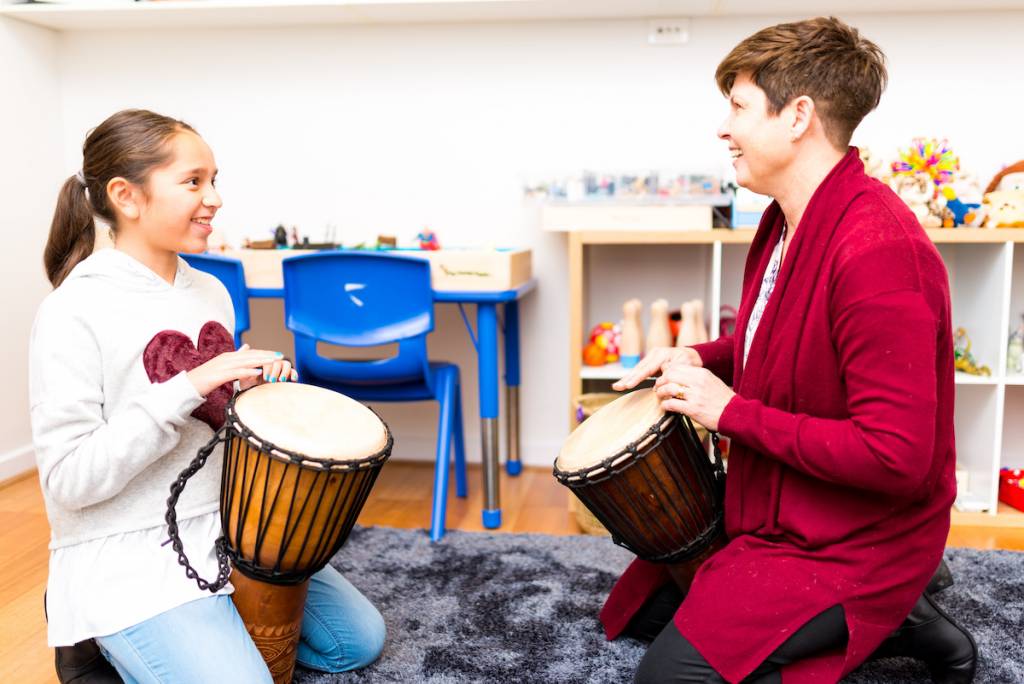
The therapist provides a safe, accepting space where the child can explore their feelings through activities of their choice. The beauty of play therapy is that the therapist doesn’t direct the child’s play but instead offers support and guidance, allowing the child to lead the way. When grief enters the picture, play therapy gives children the freedom to express their emotions, fears, and confusion—without the pressure to articulate them in words.
1. Helping Kids Understand and Express Their Grief
Grief can be overwhelming for a child. They might feel sad, scared, angry, or confused about what’s happening—and that’s okay. One of the key benefits of play therapy is that it helps children understand their grief by allowing them to express it in ways that make sense to them. Whether they’re using dolls to reenact the loss or drawing pictures of their loved one, the therapy provides a safe space for them to begin processing those emotions.
A study by Landreth and Sweeney (2013) found that children who underwent play therapy after the death of a parent showed significant improvements in their ability to cope with grief. These children were better able to express their sadness and loss, which helped reduce symptoms of depression and anxiety. This is an important finding, as it shows that allowing children to express their grief—rather than forcing them to verbalize it—can help them begin to heal.
2. Reducing Feelings of Isolation
Grief can feel isolating. Many children, especially younger ones, might not have the emotional vocabulary to explain what they’re feeling, leaving them to navigate their emotions alone. This can make them feel even more disconnected. Play therapy offers a way to bridge this gap, providing children with the opportunity to externalize their emotions through play.
A 2018 study by Gilbert et al. found that children who participated in play therapy felt less isolated after a loss. By using creative play, children were able to communicate their sadness, confusion, and anger, which gave them a sense of connection. It also allowed them to work through difficult emotions in a safe, structured environment. Over time, this helped the children feel less alone in their grief journey and more supported by the people around them.
3. Teaching Coping Skills for Grief
One of the biggest challenges when a child is grieving is helping them develop healthy ways to cope. Sometimes, children may not know how to deal with their intense emotions and may react with anger, withdrawal, or even physical symptoms like stomachaches or headaches. Play therapy can teach children new ways to manage these feelings and build emotional resilience.
A study by Ray et al. (2017) highlighted how play therapy teaches children coping skills by encouraging them to express themselves through art, toys, and storytelling. The process of play allows children to externalize their feelings and gain a sense of control over their emotions. For example, by building a “safe place” with blocks or creating a story in which they work through their grief, children learn to process their emotions in healthy, constructive ways.
Additionally, Perry et al. (2019) found that children who experienced grief and participated in play therapy showed more adaptive coping behaviours, such as using words to express their feelings instead of acting out. This study emphasizes that through play, children not only process grief but also learn how to manage their emotions in ways that support their long-term emotional well-being.
4. Promoting Emotional Healing Through Connection
Grieving children often struggle with a range of emotions that can interfere with their ability to trust others or feel safe. Play therapy fosters connection—both between the child and the therapist and between the child and their own emotions. This connection helps children feel seen and understood, which is crucial for emotional healing.
A study by Perry and Terry (2017) found that the therapeutic relationship itself is a vital aspect of play therapy’s success, especially when helping children cope with grief. In the safe space created by the therapist, children were able to rebuild trust and explore their feelings. This connection allowed the children to move through their grief at their own pace and ultimately come to terms with their loss.
5. Long-Term Benefits of Play Therapy in Grief
The healing effects of play therapy don’t stop when the session ends. Children who engage in play therapy often carry the coping skills and emotional resilience they’ve developed into their everyday lives. This long-term benefit can be especially important for grieving children, as healing from a loss is not linear and may take time.
A follow-up study by Wheeler et al. (2020) found that children who participated in play therapy for grief-related issues showed lasting improvements in emotional regulation and social skills—even months after therapy had ended. This suggests that play therapy can not only help children cope with their grief in the short term but also provide them with valuable tools for emotional growth in the future.
Conclusion: Play Therapy as a Path to Healing
Grief is a difficult emotion for anyone to navigate, and children often need a different approach to process their pain. Play therapy offers a gentle, supportive way for kids to express their grief, learn new coping strategies, and begin the healing process. Whether it’s through dolls, drawing, or imaginative play, children can make sense of their emotions and feel supported throughout their journey.
The research is clear – play therapy can be incredibly effective in helping children heal from grief. By offering a space for expression, fostering emotional connections, and teaching coping skills, play therapy can guide children through their most difficult emotions and support them on their path to healing. If you’re a parent, educator, or therapist, understanding the power of play in processing grief is a powerful tool for supporting grieving children in your care.